37 Dead in Plateau Mine as FG Orders Closure, Regulatory Failures Raise Questions

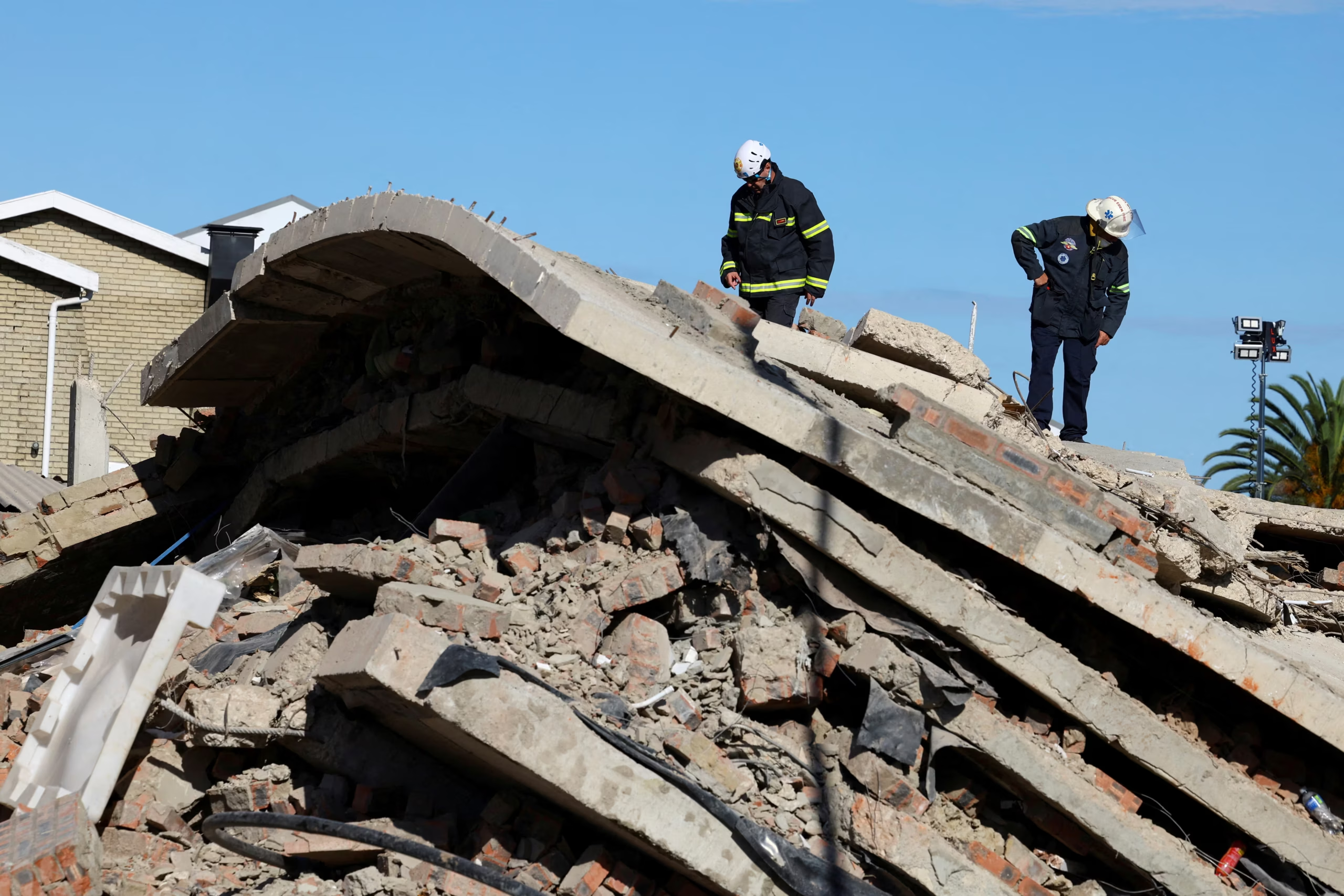
The Federal Government has shut down a mining site in Zurak community, Wase Local Government Area of Plateau State, after at least 37 villagers reportedly died from inhaling poisonous gases during underground mining activities.
The victims, mostly young men between the ages of 20 and 35, were said to have been working inside a poorly ventilated pit when toxic fumes gathered in the tunnels. About 25 others were rushed to hospital after inhaling what was suspected to be carbon monoxide.
In response, the Minister of Solid Minerals Development, Dele Alake, ordered the suspension of operations at Mining Licence 11810 operated by Solid Unit Nigeria Limited.

The licence is owned by Abdullahi Dan China. The minister also deployed an investigative team led by the Permanent Secretary of the ministry to determine both the immediate and underlying causes of the incident.
During a condolence visit to Plateau State Governor, Caleb Mutfwang, he expressed sympathy to the affected families and pledged that the findings would be made public.

A Preventable Pattern Across Africa
What happened in Zurak is deeply painful, but it is not isolated. Across parts of Ghana, South Africa and Zimbabwe, mining accidents in recent years have followed a familiar script. Collapsed shafts, flooding and toxic gas exposure have repeatedly claimed lives, particularly among young artisanal miners seeking survival in harsh economic conditions.
Underground mining is globally recognised as a high risk activity. Toxic gases such as carbon monoxide and methane are known hazards in poorly ventilated shafts.
Basic safety practice requires constant gas monitoring, mechanical ventilation systems and trained emergency response teams. When dozens die from inhalation in a single location, it raises hard questions about inspection regimes and enforcement culture.
Nigeria has a regulatory framework. The Mining Cadastre Office and the Mines Inspectorate Department under the Federal Ministry of Solid Minerals Development are mandated to license and monitor operations.
The Nigeria Minerals and Mining Act provides legal backing for safety enforcement.
On paper, the structure exists. The concern is operational effectiveness. How frequent are site inspections in remote communities. Are ventilation systems verified before work begins. Are artisanal miners integrated into formal safety oversight or left to operate in the shadows.
Government action after tragedy is necessary, but prevention is the real test of governance. If inspection teams had identified ventilation gaps earlier, if gas detection equipment had been mandatory and functional, the outcome in Zurak might have been different.
This incident should move beyond condolences and temporary suspension orders. It should force a nationwide audit of underground mining safety practices.
Without stronger proactive enforcement, improved monitoring technology and accountability for negligence, similar communities may face the same grief.
The young men who entered that pit were searching for livelihood. They should not have paid for it with their lives.
ALSO READ: Lassa Fever in Nigeria: A Growing Threat and What Must Be Done


