10 Things You Should Consider Before Starting a Career in Safety

A career in Health, Safety, and Environment has become one of the most relevant professional paths in today’s world of complex operations, stricter regulations, and growing concern for human life and environmental protection. While the demand for safety professionals continues to rise across industries, the role goes far beyond certificates and job titles. Before committing to this career path, there are important realities every aspiring safety professional should understand.
1. Safety Is a Responsibility, Not Just a Job
Working in safety means being accountable for human lives. Decisions made by safety professionals can prevent serious injuries, fatalities, environmental damage, and major business losses. This responsibility requires a strong ethical foundation and the courage to stand firm, even when safety concerns are unpopular or inconvenient.
2. You Must Be Comfortable Enforcing Rules
Safety professionals often have to enforce standards that others may resist. You will regularly challenge unsafe practices, stop work activities, and insist on compliance with procedures. If you are uncomfortable correcting senior staff or contractors, the role can quickly become overwhelming.


3. Strong Communication Skills Are Essential
Technical knowledge alone is not enough. Safety professionals must communicate risks clearly to workers, management, regulators, and clients. This includes writing reports, conducting toolbox talks, leading training sessions, and influencing behaviour change without creating hostility.
4. Continuous Learning Is Non Negotiable
Safety regulations, international standards, and best practices evolve constantly. New hazards emerge with new technologies, equipment, and work methods. A successful safety professional must commit to lifelong learning through certifications, refresher training, industry updates, and practical exposure.
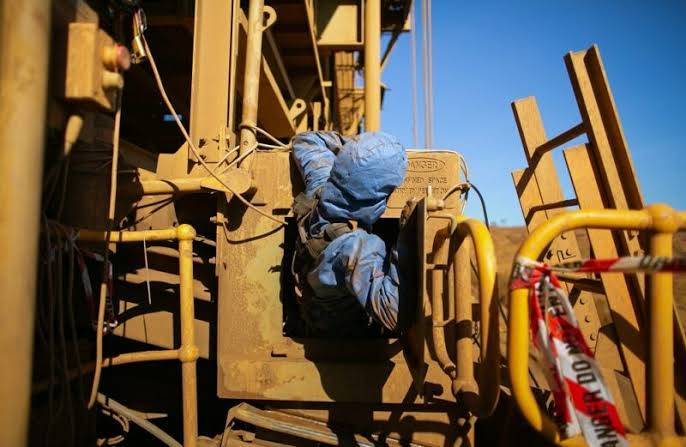
5. Field Work Can Be Physically and Mentally Demanding
Safety roles are not limited to offices. Many positions require site inspections, audits, accident investigations, and long hours in challenging environments such as construction sites, oil fields, factories, or remote locations. The job can be physically demanding and emotionally draining, especially after serious incidents.
6. You Will Face Pressure From Multiple Directions
Safety professionals often sit between management targets and worker realities. There may be pressure to meet deadlines, reduce costs, or overlook unsafe practices. Understanding how to balance safety requirements with operational demands is critical for long term success.
7. Industry Choice Matters
Safety careers cut across many sectors including construction, oil and gas, manufacturing, healthcare, logistics, and aviation. Each industry comes with unique risks, regulations, and career growth patterns. Choosing the right sector early can shape your experience, income potential, and future opportunities.
8. Certification Alone Does Not Equal Competence
Many people enter safety because of popular certifications, but certificates without practical understanding can limit effectiveness. Employers value professionals who can apply standards on the ground, identify real hazards, and provide workable solutions rather than theoretical advice.
9. Ethics and Integrity Define Your Reputation
A safety professional’s credibility is everything. Covering up incidents, altering reports, or compromising standards damages trust permanently. Maintaining integrity builds long term respect and protects both workers and organisations, even when decisions are difficult.
10. Career Growth Requires Strategy and Patience
Safety careers offer progression from entry level roles to advisory, managerial, and specialist positions. However, growth takes time. Gaining site experience, building competence across projects, and developing leadership skills are just as important as accumulating certificates.
A career in safety can be deeply fulfilling for individuals who value human life, discipline, and continuous improvement. It offers global relevance, job security, and opportunities across industries. However, it demands resilience, strong ethics, communication skills, and a genuine commitment to protecting people and the environment. Understanding these realities before entering the field helps aspiring professionals make informed decisions and build sustainable, impactful careers in safety.
ALSO READ: Apply Now: Latest International HSE Jobs – January 2026