
Road Driving Safety: 12 Critical Dos and Don’ts Experienced Drivers Must Relearn

Experience on the road does not eliminate risk. In many cases, long years behind the wheel lead to overconfidence, reduced vigilance and acceptance of unsafe habits. Advanced road safety is about constant risk assessment, not routine driving.
The Dos
1. Do scan far ahead, not just the immediate traffic
Experienced drivers should read the road at least 10 to 15 seconds ahead. This allows early detection of sudden braking, lane obstructions or erratic drivers. Forward scanning improves reaction time and reduces harsh braking or swerving.
2. Do adjust speed based on visibility and road environment
Speed limits do not account for rain, poor lighting, fog or heavy pedestrian activity. Driving too fast for conditions reduces decision time and increases crash severity. Safe speed is always relative to what you can see and control.

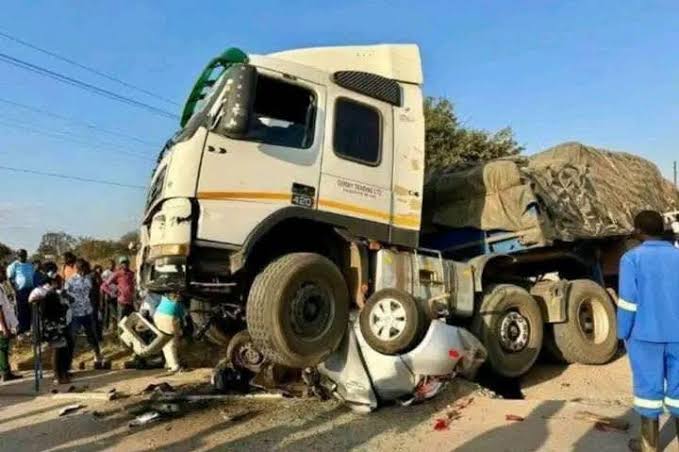
3. Do continuously reassess road surface conditions
Oil spills, loose gravel, wet patches and worn asphalt reduce tyre grip. Experienced drivers often miss subtle changes in traction until it is too late. Adjusting throttle and steering early helps maintain control.
4. Do manage mental fatigue, not just physical tiredness
Cognitive fatigue affects judgment and reaction long before sleepiness occurs. Long drives, traffic stress and multitasking overload the brain. Taking short breaks restores alertness and hazard perception.
5. Do create and maintain escape routes
Always leave space to manoeuvre if another vehicle stops suddenly or loses control. Driving without an escape option increases collision risk. Positioning your vehicle wisely gives you alternatives in emergencies.
6. Do understand your vehicle’s braking limits
Braking distance increases with speed, load and tyre wear. Experienced drivers must adapt driving style as vehicle condition changes. Regular awareness of braking performance prevents late reactions.
The Don’ts
7. Don’t allow experience to replace caution
Years of driving do not make roads predictable. Overconfidence leads to reduced safety margins and delayed reactions. Every journey should be treated as a new risk environment.
8. Don’t normalise near misses
Near misses are early warnings of system failure or poor judgment. Ignoring them increases the chance of a serious crash. Experienced drivers should review and correct behaviours immediately.
9. Don’t assume other drivers will act correctly
Many crashes occur because drivers expect others to follow rules. Always anticipate sudden lane changes, missed signals or poor judgment. Defensive driving is critical at all times.
10. Don’t drive emotionally
Stress, anger or urgency distort perception and reaction time. Emotional driving leads to aggressive acceleration, tailgating and risky overtaking. Emotional control is a key safety skill.
11. Don’t over rely on vehicle safety technology
Driver assistance systems support but do not replace human judgment. Over trust in technology can lead to delayed responses. The driver remains fully responsible at all times.
12. Don’t ignore vehicle feedback and warning signs
Unusual sounds, vibrations or dashboard alerts indicate developing faults. Continuing to drive despite warnings increases failure risk. Early maintenance prevents breakdowns and accidents.
Advanced road safety is not about how long you have driven but how well you manage risk. Experienced drivers who stay alert, adaptable and self critical are far safer than those who rely on habit. On the road, awareness saves more lives than confidence.
Also read: Nigeria Healthcare Strikes: Government Responsibility and System Failure