Car Fires Explained: Triggers, Causes and Conditions That Increase Risk
Car Fires Explained: Triggers, Causes and Conditions That Increase Risk
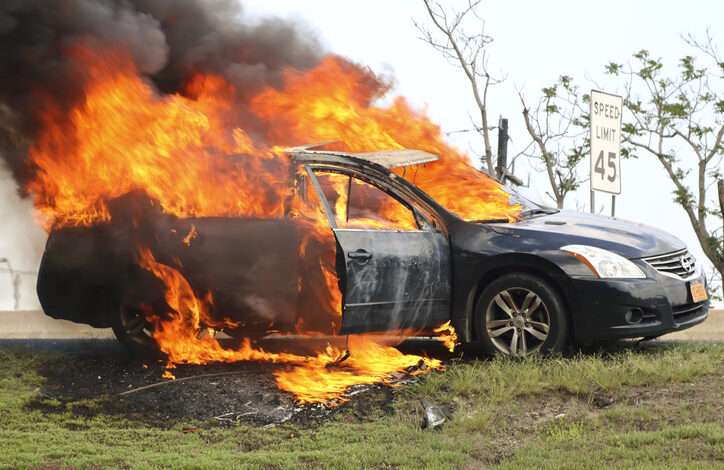
Car fires are more common than many drivers realise. They can start suddenly, spread rapidly, and cause serious injury, death, or total loss of property. Understanding what triggers a car fire, the underlying causes, and the conditions that increase the risk is essential for prevention and early response.
What Starts a Car Fire
A car fire usually begins when a heat source meets fuel and oxygen. In vehicles, heat is produced constantly by the engine, exhaust system, brakes, and electrical components. Fuel comes from petrol, diesel, engine oil, transmission fluid, brake fluid, or even plastic materials inside the car.


Common ignition points include the engine compartment, where temperatures are already high, and the dashboard or wiring areas where electrical faults occur. Once a spark, overheated surface, or short circuit ignites flammable material, a fire can start within seconds.
What Causes Car Fires
Mechanical failure is one of the leading causes of car fires. Fuel leaks from damaged hoses, loose fittings, or worn out fuel lines can drip onto hot engine parts or the exhaust manifold and ignite. Oil leaks pose a similar risk, especially when they accumulate on heated surfaces.
Electrical faults are another major cause. Faulty wiring, poor aftermarket installations, exposed cables, and overloaded circuits can create sparks or excessive heat. This is common in vehicles with poorly installed sound systems, lighting modifications, or charging ports.
Overheating engines also contribute significantly. When cooling systems fail due to low coolant, faulty radiators, broken fans, or blocked hoses, engine temperatures can rise to dangerous levels, increasing the chance of ignition.
Collisions and road accidents are another trigger. Even minor crashes can rupture fuel lines, damage batteries, or expose electrical components, creating immediate fire hazards.
In some cases, improper storage of flammable items such as fuel containers, gas cylinders, or aerosol cans inside vehicles can also lead to fires, especially under heat.
Conditions That Increase the Risk of Car Fires
Poor vehicle maintenance is a key risk factor. Cars that miss regular servicing are more likely to develop leaks, worn wiring, and overheating problems. Old vehicles are particularly vulnerable due to ageing components and degraded insulation.
High temperatures and extreme weather conditions also play a role. Hot weather increases engine heat, fuel vapour pressure, and battery stress, making fires more likely, especially in traffic or during long journeys.
Driving habits matter. Aggressive driving, prolonged idling, and ignoring warning signs such as burning smells, smoke, or dashboard alerts can allow small problems to escalate into fires.
Modifications and poor repairs increase risk as well. Non standard parts, substandard repairs, and unqualified mechanical work often compromise safety systems designed to control heat and fuel flow.
Parking conditions can also contribute. Parking over dry grass or combustible materials allows heat from the exhaust to ignite fires underneath the vehicle, a risk often overlooked by drivers.
Why Early Detection Matters
Car fires rarely start as large flames. They often begin with warning signs such as smoke, unusual smells, overheating, or flickering lights. Recognising these signs early and stopping the vehicle immediately can prevent serious outcomes.
Car fires are preventable in many cases. They start when heat, fuel, and oxygen come together, are caused by mechanical faults, electrical failures, overheating, or accidents, and are encouraged by poor maintenance, extreme heat, and unsafe modifications. Regular servicing, prompt attention to warning signs, and safe driving habits remain the most effective ways to reduce the risk of car fires and protect lives.
ALSO READ: Ifunanya’s Snakebite Death: The Facts, the Claims, and the Bigger Health System Failure