Are You Using an Expired Gas Cylinder?
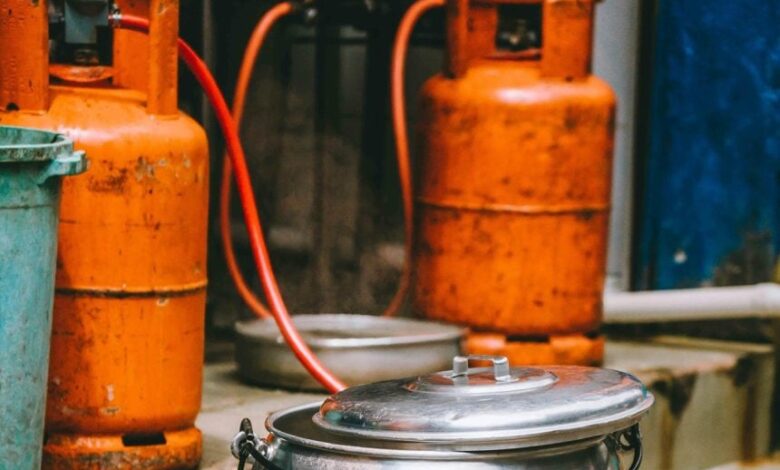
Liquefied Petroleum Gas remains one of the most common cooking fuels in most homes. While it is efficient and convenient, unsafe use of gas cylinders continues to cause avoidable fires, explosions and loss of lives. Many households focus on refilling cylinders but rarely think about how old the cylinder is or whether it is still safe to use.
A gas cylinder is not designed to last forever. Most standard LPG cylinders have a safe service life of about 10 to 15 years, depending on usage, quality and maintenance. After this period, the metal weakens, internal corrosion increases and the risk of leaks or rupture rises significantly. Unfortunately, many cylinders in use today have exceeded this lifespan, often without the owner knowing.
Proper maintenance can extend the safe use of a cylinder within its approved lifespan. Cylinders should be kept in a well ventilated area, away from heat sources and direct sunlight. They should always be placed upright and never laid on their sides. Regular cleaning of the cylinder surface helps reveal early signs of rust or damage. Hose connections and regulators should also be checked frequently and replaced immediately if worn out.


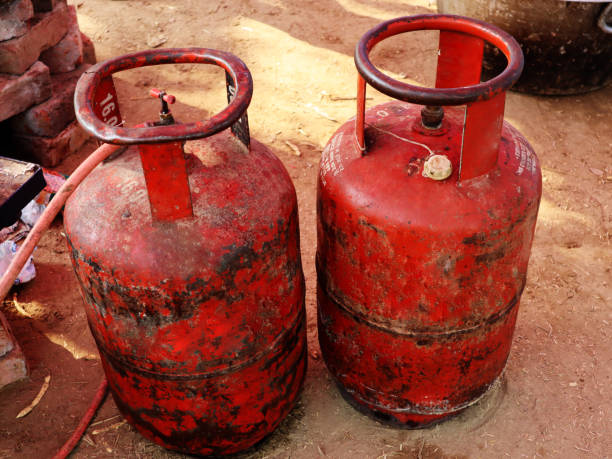
There are clear warning signs that indicate a gas cylinder is old, damaged or unsafe and should be changed. Rust is one of the most common indicators. Surface rust may seem harmless, but deep rust weakens the cylinder wall and can lead to leaks or bursting. Bulges, dents or misshapen areas on the cylinder body are also serious red flags. A cylinder should always have a smooth and even shape.
Another major sign is a persistent gas smell, even when the valve is turned off. This may point to valve damage or metal fatigue around the opening. Difficulty in turning the valve, hissing sounds or visible cracks around the valve area are signs that the cylinder should no longer be used. Faded or missing manufacturing dates and safety markings also make it difficult to assess the cylinder’s age and safety status.
Households should always check the manufacturing or requalification date stamped on the cylinder body. If the date shows that the cylinder is approaching or has exceeded its recommended lifespan, replacement is the safest option. Gas vendors and refill plants also have a responsibility to reject expired or visibly damaged cylinders, but users should not rely on this alone.
Gas safety at home goes beyond the cylinder itself. Always turn off the gas after cooking, avoid using damaged hoses and never attempt to repair a leaking cylinder. In the event of a suspected gas leak, open doors and windows immediately, avoid switching electrical appliances on or off, and move the cylinder outside if it is safe to do so.
Using an expired or worn out gas cylinder puts lives and property at risk. Regular inspection, timely replacement and safe handling practices are simple steps that can prevent devastating incidents. Gas is safe when used correctly, but ignoring cylinder age and condition turns a daily convenience into a silent danger.
ALSO READ: 7 Things You Should Consider Before Choosing a Career in the Fire Service