Concerns Grow Over Counterfeit Branded Safety Products in Nigeria’s PPE Market
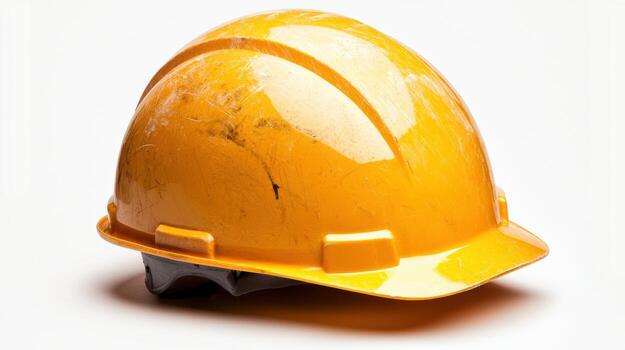
Industry stakeholders and workplace safety professionals in Nigeria are increasingly raising concerns about the circulation of counterfeit safety products bearing well known international brand names, including those commonly associated with industrial and personal protective equipment.
While 3M is globally recognised for manufacturing certified and regulated safety products, market observers note that unauthorised and counterfeit items falsely branded to resemble original products continue to appear within informal markets and some online sales channels in Nigeria.
These products are not manufactured, supplied, or approved by the original brand owners. Their presence highlights a broader challenge facing safety critical supply chains across the country.

Counterfeit PPE and the Risk to Workplace Safety
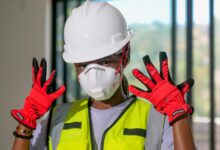
Safety experts warn that counterfeit or sub standard PPE presents a serious occupational health and safety risk, largely because such products may give users a false sense of protection.
Genuine safety equipment such as respirators, filters, hearing protection, and industrial PPE is typically designed and tested to meet recognised international standards. In contrast, counterfeit products are not subjected to the same certification, testing, or quality control processes, which may compromise performance during real world use.
In high risk environments including construction sites, manufacturing facilities, oil and gas operations, healthcare settings, and emergency response services, reliance on uncertified PPE can increase exposure to the following hazards.
- Airborne dust and hazardous particles
- Chemical fumes and vapours
- Excessive noise levels
- Biological and environmental hazards
In many cases, workers may be unaware that the equipment they are using is not authentic.
Material Quality and Performance Concerns
According to safety professionals, counterfeit safety products are often produced using inferior materials and inconsistent manufacturing processes.
Commonly reported issues include reduced filtration efficiency in respiratory protection, weak or poorly fitted straps and seals, hearing protection that fails to achieve stated noise reduction levels, and premature wear or breakage during use.
Over time, these failures may contribute to respiratory conditions, hearing impairment, skin irritation, and preventable workplace injuries.
How Unauthorised Products Reach the Market
Market analysts identify several routes through which counterfeit or unauthorised safety products may enter circulation in Nigeria.
- Informal and unregulated trading networks
- Roadside markets and open stalls
- Online marketplaces with limited seller verification
- Grey market imports sold outside official distribution systems
Price sensitivity, limited awareness, and procurement pressures are often cited as reasons buyers opt for cheaper alternatives, even for safety critical equipment.
Impact on Safety Systems and the Wider Economy
Beyond individual health risks, the availability of counterfeit PPE can weaken occupational health and safety programmes, reduce confidence in compliance efforts, and increase pressure on regulatory systems.
Safety analysts stress that counterfeit safety equipment is not just a branding or commercial issue. It is a public safety concern with implications for workforce productivity, healthcare costs, and national accident prevention goals.
Guidance for Buyers and Organisations
To minimise risk, industry professionals advise organisations and individuals to source safety equipment only from authorised distributors and reputable suppliers.
They also recommend avoiding informal or unverified sales channels, carefully reviewing packaging and certification markings, using official manufacturer authentication tools where available, and reporting suspected counterfeit products to relevant regulatory authorities.
The presence of counterfeit branded safety products in Nigeria highlights the need for vigilance, awareness, and responsible procurement practices.
When protective equipment fails to perform as expected, the consequences can be severe. Stakeholders across government, industry, and the safety community are encouraged to strengthen education, enforcement, and supply chain controls to ensure that only genuine and certified safety products are used in Nigerian workplaces.
ALSO READ: Safety and Fashion: Why Protective Wear Must Also Make You Look Good