How Everyday Household Hazards Put Children at Hidden Risk

Children are naturally curious. They explore the world around them with energy and wonder, but their curiosity also puts them at risk. Many dangers lurk in the home, disguised as ordinary items or everyday routines. While parents and caregivers often focus on obvious threats like sharp objects or hot stoves, less visible hazards can be just as dangerous. Understanding these hidden risks is essential for protecting children and creating a safe home environment.
Hidden Dangers in Common Household Items
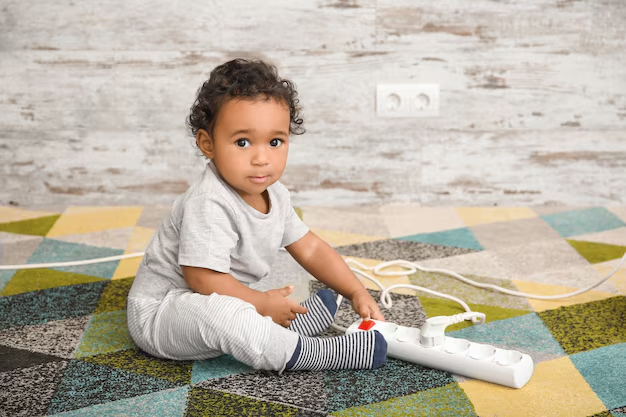
Everyday items that adults take for granted can pose serious risks to children. Electrical outlets, cords, and plugs may seem harmless, but curious toddlers often try to touch or insert objects into them, leading to shocks or burns. Cleaning products, medicines, and cosmetics are often stored within reach, and even small amounts ingested can cause poisoning. Small toys or parts that seem safe can become choking hazards when swallowed.
Furniture and storage units are another concern. Dressers, bookshelves, and cabinets can tip over if not anchored properly. Children climbing on them may be injured if they fall or if the furniture collapses. Even seemingly soft surfaces, like cushions or mattresses, can hide risks if a child gets trapped or stuck.


Kitchen Hazards
The kitchen is often the most dangerous room in the house. Hot surfaces, boiling liquids, and sharp knives are obvious threats, but there are hidden risks as well. Small appliances left plugged in or within reach can burn or shock children. Food left unattended can pose choking hazards, especially hard or small items like nuts, grapes, or popcorn. Cleaning chemicals stored under sinks are accessible to inquisitive hands if not secured. Even cabinet doors and drawers can pinch fingers or cause injuries if slammed.
Bathroom Risks
Bathrooms may appear safe, but they contain multiple hidden hazards. Wet floors can lead to slips and falls. Bathtubs and buckets filled with water pose drowning risks, even in shallow water. Toilets, if left open, can be dangerous for small children. Medicines, shampoos, and other personal care products often contain toxic chemicals that children may taste out of curiosity.
Hidden Electrical and Fire Dangers
Electrical hazards go beyond outlets. Extension cords lying on the floor can be tripped over or chewed on by pets, increasing the risk of shock. Overloaded sockets, faulty wiring, or frayed cables can ignite fires. Even everyday devices like hair straighteners, irons, or heaters become dangerous if left plugged in and within reach. Children may not understand the risks and may accidentally touch or move these items, leading to burns or electrocution.
The Role of Supervision and Education
Supervision is one of the most effective ways to prevent accidents. Children under five are particularly vulnerable because they lack the awareness to recognize danger. Parents and caregivers must stay alert and anticipate how children might interact with their environment.
Education also plays a key role. Teaching children about what is safe to touch, what is hot, and what should not be eaten helps them develop an understanding of hazards. Reinforcing these lessons consistently increases their ability to avoid accidents as they grow.
The Hidden Risk of Everyday Routines
Some risks are hidden not in objects, but in routines. Carrying a child while cooking, bathing, or handling chemicals increases the chance of accidents. Leaving children unattended for short periods, even in safe-looking rooms, can lead to unexpected injuries. Pets can also pose risks, such as bites or scratches, especially when children are unaware of how to interact safely.
Creating a Safer Home Environment
Preventing hidden risks requires a proactive approach. Outlets should be covered, cords managed, and dangerous products stored out of reach or in locked cabinets. Furniture should be anchored to walls, and small objects kept away from young children. Supervision should be constant, and routines adapted to reduce risk.
Installing safety gates, cabinet locks, and non-slip mats can prevent many accidents. Fire alarms, smoke detectors, and carbon monoxide detectors help protect the entire household. Regularly reviewing the home environment and updating safety measures ensures new hazards are identified before children encounter them.
Conclusion
Everyday household hazards often go unnoticed, but they can put children at serious risk. Kitchens, bathrooms, electrical outlets, furniture, and even ordinary routines hide dangers that require vigilance and proactive safety measures. Parents and caregivers play a critical role in identifying these risks, supervising children, and teaching them about safety.
Creating a safe home is about more than removing obvious hazards. It requires thinking like a child, anticipating curiosity, and addressing hidden dangers before accidents occur. By taking these steps, families can reduce the risk of injury and provide a safe environment where children can explore and grow with confidence.