
March 2026 Workplace Accidents in Africa: Five Major Incidents and Safety Lessons
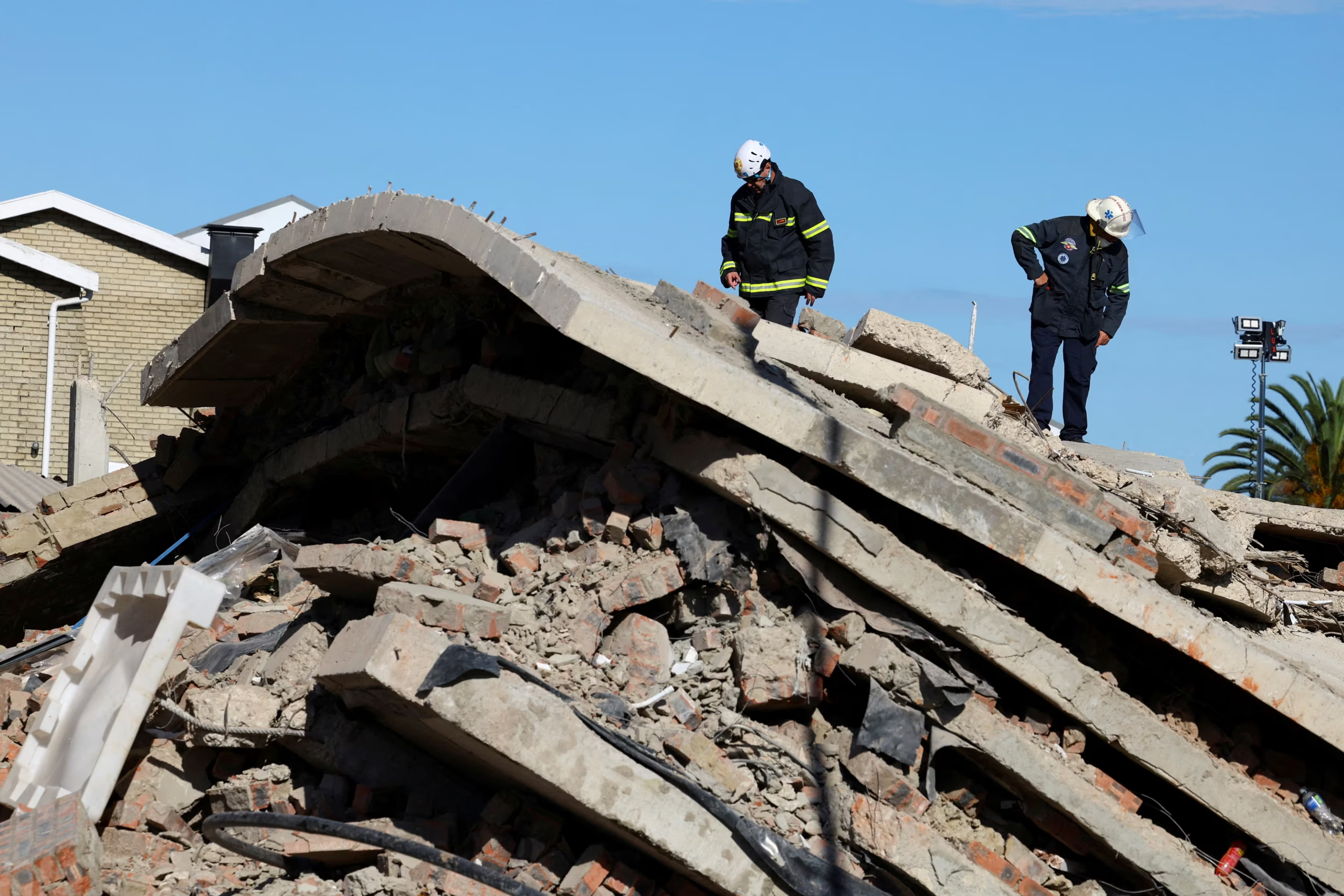
Workplace accidents in Africa during March 2026 tragically highlighted persistent safety failures in high‑risk sectors such as mining and construction. Below are five documented incidents from trusted news sources, followed by sector‑specific suggestions on how similar tragedies can be prevented in the future.
1. Johannesburg Construction Floor Collapse – South Africa 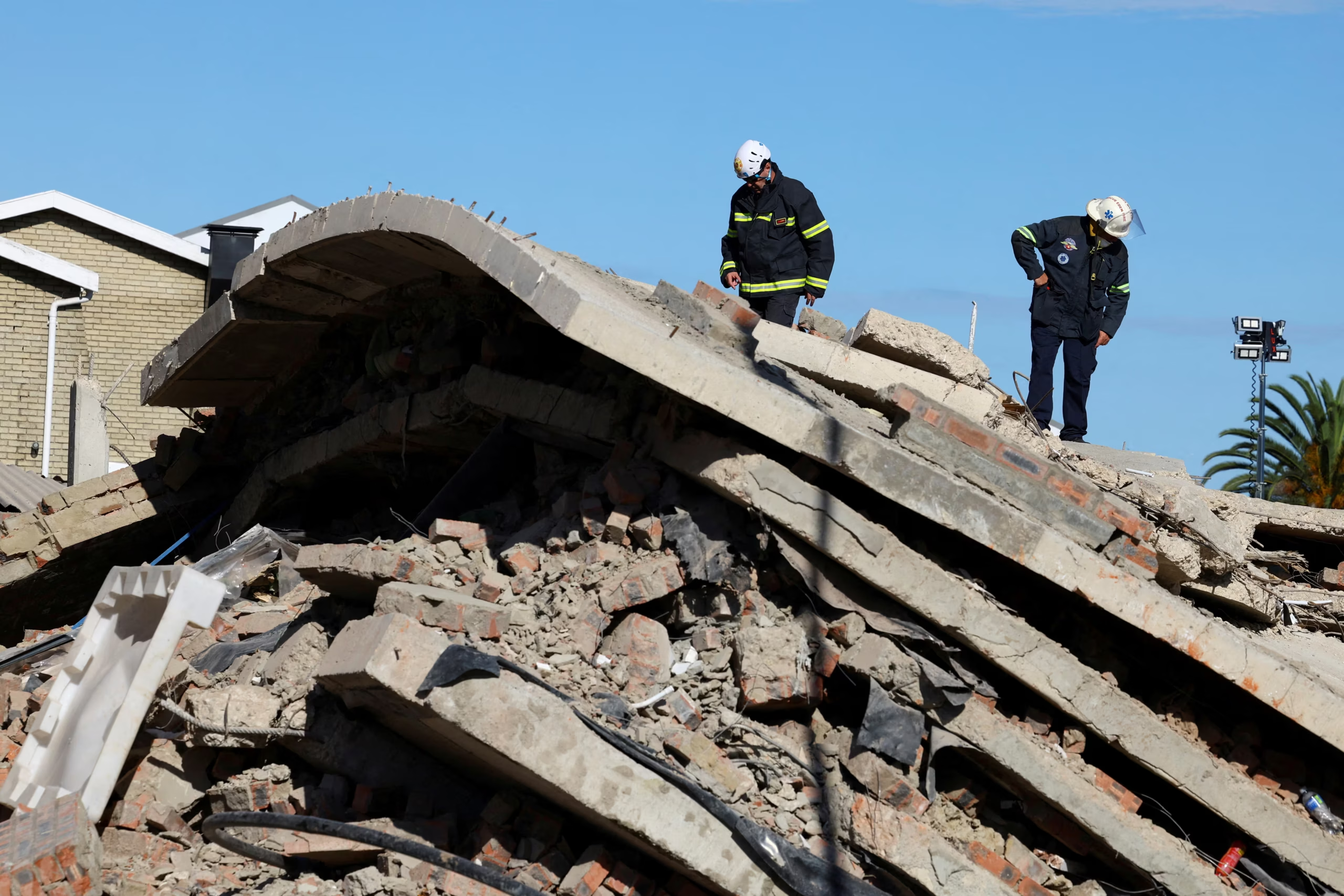
In Johannesburg, South Africa, a concrete floor at a building under construction gave way, killing at least six workers and trapping others under debris. Rescue teams faced instability at the site, delaying recovery efforts.
Why It Happened: Preliminary reports pointed to structural weaknesses and inadequate safety checks. The collapse raised questions about compliance with construction safety standards and enforcement of regulatory inspections.


Prevention Measures:
• Mandatory Structural Safety Audits: Require certified engineers to approve each major construction phase before work proceeds.
• Stronger Regulatory Enforcement: Increase unannounced inspections by construction regulators to ensure compliance with safety protocols.
• Worker Safety Training: Ensure all workers receive formal hazard recognition and emergency response training before deployment.
2. Rubaya Coltan Mine Landslide – DR Congo

A catastrophic landslide at the coltan mining site in eastern Democratic Republic of the Congo killed over 200 people, most of them artisanal miners. Heavy rainfall and unsafe terrain were major contributing factors.

Why It Happened: The site lacked proper geological assessments and formal oversight. Artisanal miners often work without protective structures, emergency systems, or enforceable safety standards.
Prevention Measures:
• Regulated Mining Zones: Map and formalise artisanal mining areas with enforceable safety standards.
• Geological Risk Assessments: Conduct mandatory hazard mapping before mining operations proceed, especially in regions prone to heavy rain and landslides.
• Community Safety Programs: Train local miners on safe excavation practices and emergency evacuation protocols.
3. Rubaya Mine Shaft Collapse – DR Congo 
In a separate shaft collapse at the same Rubaya region, several miners lost their lives when unstable ground gave way unexpectedly. Survivors reported inadequate support structures underground.
Why It Happened: Informal shaft design and lack of engineering oversight left tunnels unstable under pressure.
Prevention Measures:
• Engineering‑Approved Shaft Design: Require engineered plans and certifications before shafts are dug.
• Regular Structural Monitoring: Deploy geotechnical monitoring tools to detect instability early.
• Safety Helmet and PPE Enforcement: Ensure miners use certified protective equipment at all times.
4. Gasasa Mining Site Collapse – DR Congo 
At the Gasasa site in Rubaya, two mining shafts collapsed, killing at least nine miners. Poor equipment and unsafe ground conditions were common concerns reported from the scene.
Why It Happened: Similar to other artisanal sites, mining operations lacked technical oversight, reinforcing the need for formal regulation.
Prevention Measures:
• Formal Mining Licences: Issue licences only after safety compliance checks are passed.
• Equipment Standards: Enforce the use of certified machinery and support systems.
• Rescue and First‑Aid Training: Ensure teams are on standby with basic trauma response capabilities.
5. Msasa Mine Shaft Collapse – Tanzania

In the Msasa mining area of Tanzania’s Geita region, a shaft collapse resulted in injuries and potential loss of life. Conflicting accounts from authorities and residents highlighted gaps in communication and emergency response.
Why It Happened: Lack of real‑time supervision, weak reporting systems, and unmonitored excavation increased risk.
Prevention Measures:
• Transparent Reporting Systems: Establish mandatory incident reporting within hours of an event.
• Unified Safety Oversight: Create a multi‑agency monitoring team combining government, mining companies, and worker representatives.
• Emergency Preparedness Drills: Conduct regular drills to ensure quick, coordinated responses during incidents.
There is urgent need for stronger occupational safety frameworks across high‑risk sectors in Africa, especially in mining and construction. While each incident had different causes, common themes emerged: inadequate oversight, lack of formal regulation, unsafe work environments, and limited emergency preparedness.
To prevent future tragedies, governments and industry stakeholders must prioritise enforceable safety standards, worker training, structural monitoring, and transparent reporting mechanisms. Without such action, preventable workplace deaths will continue to disrupt lives and communities.
ALSO READ: Why Weak HSE Rules Are Slowing Africa’s Infrastructure Dream


